🌙 Ever Wondered What Really Happens During a Sleep Study?
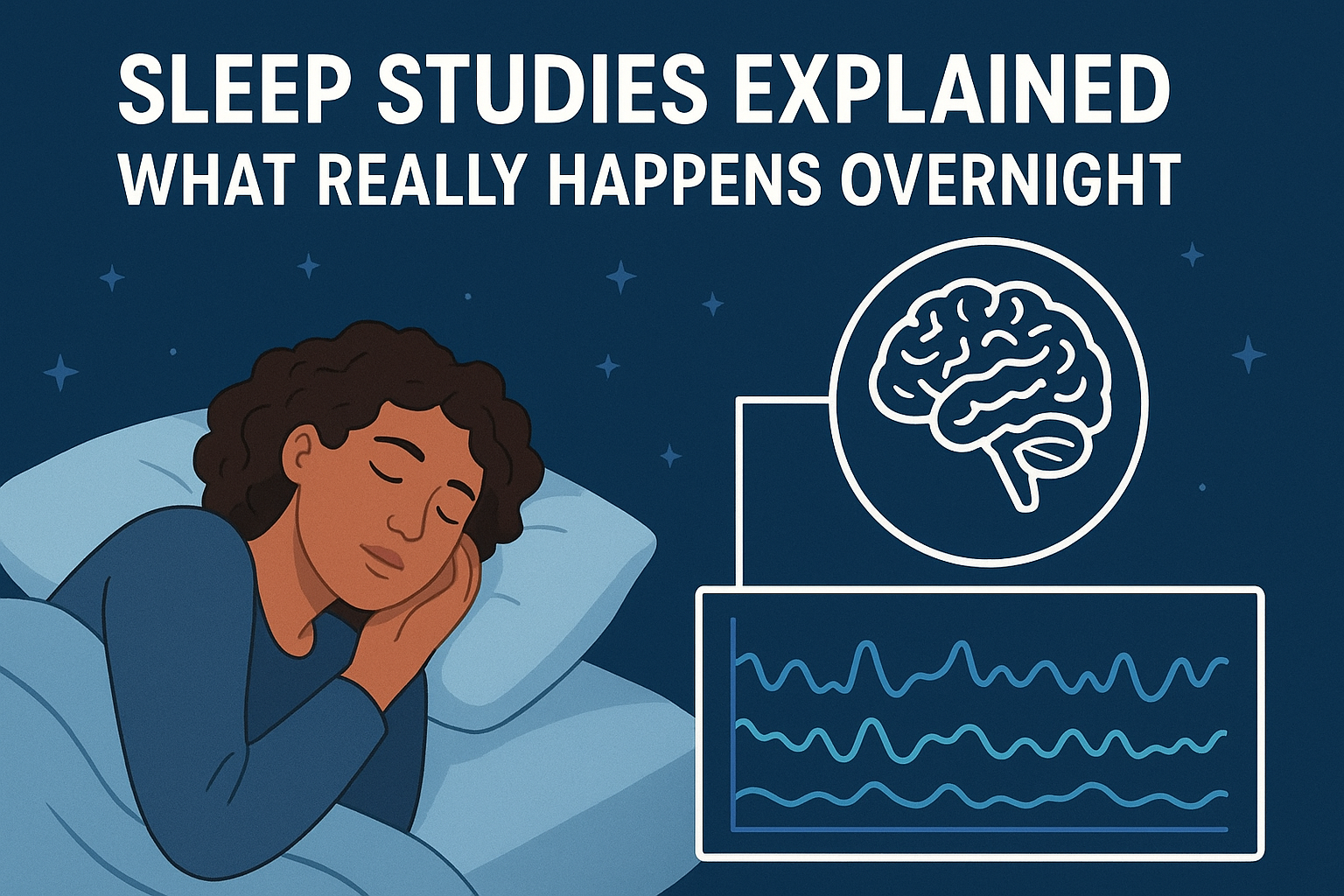
If you have actually been told you may have sleep apnea, insomnia, or one more sleep problem, your doctor may suggest a sleep study— also called polysomnography.
Several people feel worried before their initial study, imagining cords, equipments, and sleep deprived nights. But in reality, a sleep research study is comfortable, noninvasive, and exceptionally insightful for detecting what’s actually affecting your remainder.
Let’s walk through what happens, step-by-step.
🏥 What Is a Sleep Study?
A sleep study monitors your brain activity, breathing, heart rate, oxygen levels, and movements while you sleep. It helps diagnose:
-
Sleep apnea (breathing pauses)
-
Restless leg syndrome
-
Insomnia
-
Narcolepsy
-
REM behavior disorders
This details helps your physician tailor a therapy plan that brings back healthy, rejuvenating rest.
🛏️ What Happens the Night of the Study
1. Check-In and Setup
You’ll get to the sleep center in the evening, much like exploring a hotel. A service technician will clarify the process and connect little sensors to your scalp, face, chest, and legs utilizing gentle adhesive.
These sensing units document:
-
Brain waves (EEG)
-
Eye and muscle movements
-
Breathing effort and airflow
-
Oxygen levels (via finger sensor)
-
Heart rate (ECG)
💡 You can still relocate, turn, and sleep generally– the setup is developed for comfort.
2. Lights Out
Once you’re all set, the lights are lowered and the recording starts. The atmosphere is peaceful and cozy, typically with your preferred room temperature.
Specialists check your information from another area and are available if you require anything. Most individuals drop asleep faster than they expect!
3. Morning Wrap-Up
You’ll wake up early, the sensors will be gotten rid of, and you can go home right after. The sleep expert will assess your outcomes and schedule a follow-up to review findings.
🏡 What About At-Home Sleep Studies?
For some clients, a home rest examination may be an option– especially for believed obstructive sleep apnea.
You’ll obtain a little, mobile gadget that videotapes your breathing and oxygen degrees over night in your very own bed. It’s hassle-free however restricted; if outcomes are unclear, an in-lab study may still be needed.
🩺 What Sleep Studies Can Reveal
Sleep studies provide data that can explain:
-
Why you feel tired even after 8 hours of sleep
-
Whether your snoring indicates sleep apnea
-
If your oxygen levels drop at night
-
How your brain transitions between sleep stages
Based on the results, your specialist may recommend CPAP therapy, oral appliances, medication adjustments, or lifestyle changes to restore proper sleep patterns.
🙋 Patient FAQs
Q: Do I have to stay overnight?
Yes, for in-lab studies. Home sleep tests are available for certain conditions.
Q: Will I be able to sleep with all those wires?
Most patients do! The sensors are lightweight, and you’ll have time to get comfortable.
Q: How long does it take to get results?
Usually within one week, after detailed analysis by your sleep specialist.
Q: Does insurance cover sleep studies?
In most cases, yes—especially if your doctor suspects sleep apnea or another disorder.
✨ The Takeaway
A sleep study is one of the most accurate and painless ways to understand what’s disrupting your sleep. Whether in-lab or at home, the insights can lead to life-changing improvements in your health, mood, and energy.
🌟 Ready to Discover What’s Really Happening in Your Sleep?
Don’t ignore the signs of poor rest — your health depends on it.
Our Houston sleep specialists are among the highest-rated in the city, trusted for accurate diagnostics and compassionate care.
📞 Call 832-263-1177 today or
🖊️ Book your sleep study online: BreatheSleepMD New Patient Forms
💬 With top Google reviews in Houston, patients choose us for expert diagnosis, comfort, and life-changing results. Sleep better tonight — your best rest starts here.