Obesity is more than a weight concern—it can significantly affect the way we breathe. Extra body fat, especially around the chest and abdomen, puts pressure on the lungs and airways. Understanding the link between obesity and breathing disorders is key to protecting long-term respiratory health.
How Obesity Affects Breathing
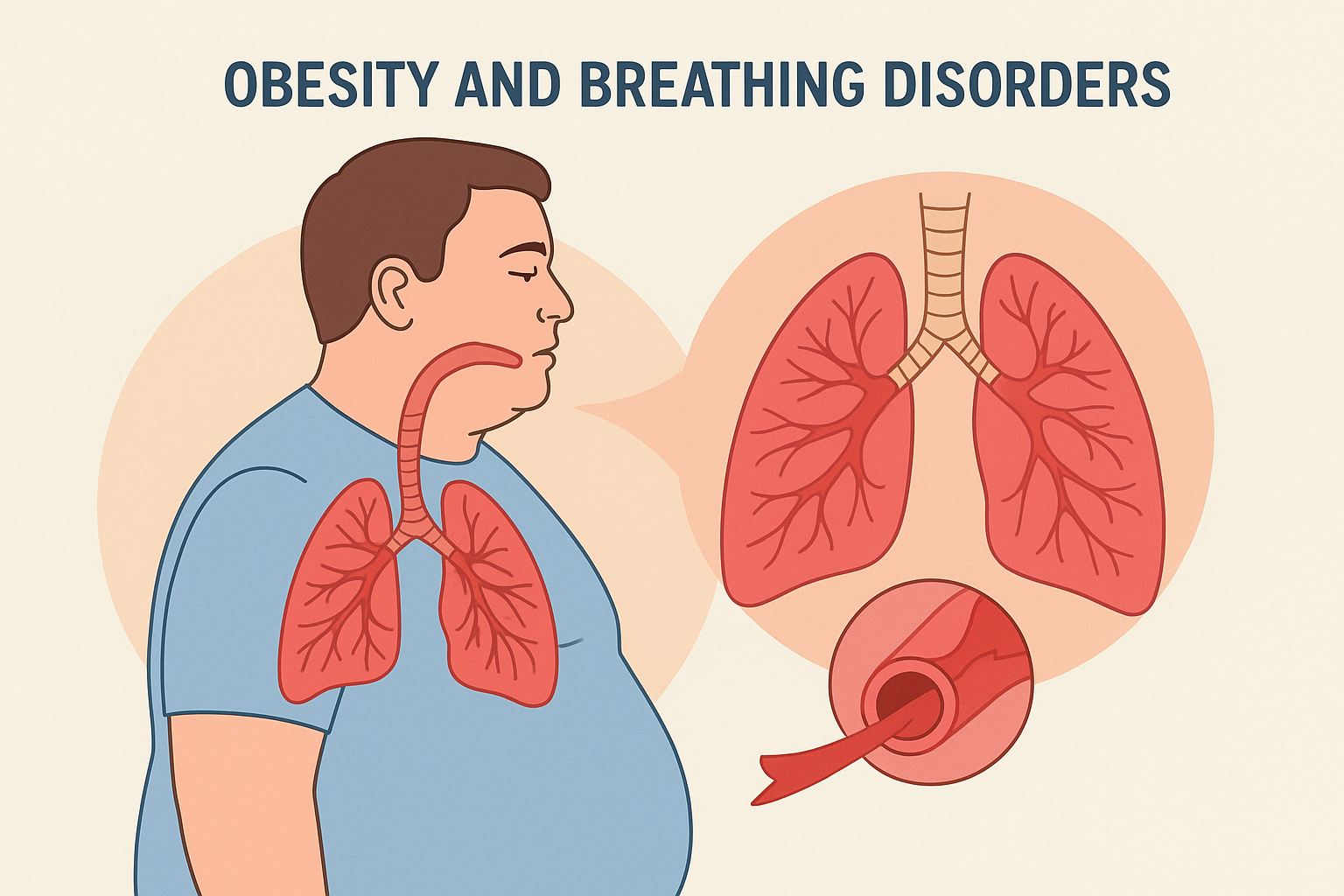
Carrying excess weight can limit lung expansion, reduce oxygen intake, and make breathing feel harder, even during light activities. Some ways obesity impacts lung function include:
-
Reduced lung capacity – excess fat restricts chest wall movement.
-
Diaphragm pressure – belly fat pushes against the diaphragm, limiting its movement.
-
Inflammation – obesity-related inflammation increases the risk of airway irritation.
Common Breathing Disorders Linked to Obesity
-
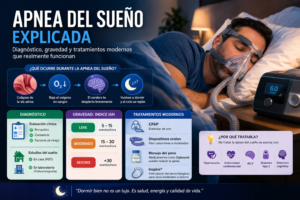
Obstructive Sleep Apnea (OSA) – Fat deposits around the neck and airway can block airflow during sleep, causing loud snoring, pauses in breathing, and fatigue.
-
Obesity Hypoventilation Syndrome (OHS) – The body doesn’t breathe deeply enough, leading to low oxygen and high carbon dioxide levels.
-
Asthma – Obesity worsens airway inflammation, making asthma symptoms more frequent and severe.
-
Chronic Obstructive Pulmonary Disease (COPD) Complications – While COPD is not caused by obesity, being overweight worsens symptoms.
Who Is Most at Risk?
-
Adults with a BMI of 30 or higher.
-
Individuals who experience loud snoring, daytime fatigue, or shortness of breath.
-
People with abdominal obesity, since belly fat strongly affects lung mechanics.
Steps to Improve Breathing Health
Even small lifestyle changes can ease the burden obesity places on the lungs:
-
Weight management – gradual, sustainable weight loss improves lung capacity.
-
Regular physical activity – walking, swimming, and light aerobic exercise strengthen breathing muscles.
-
Balanced diet – nutrient-rich foods reduce inflammation and support respiratory function.
-
Medical check-ups – screening for sleep apnea and lung conditions ensures early treatment.
-
Breathing exercises – simple practices like diaphragmatic breathing help strengthen the lungs.
Conclusion
The evidence is clear: obesity and breathing disorders are closely linked. Extra weight puts stress on the lungs, increases the risk of conditions like sleep apnea and asthma, and lowers overall quality of life. The good news is that even small, consistent changes in lifestyle can bring big improvements in lung health and breathing ease.
FAQs
Q: How does obesity cause breathing problems?
Obesity adds pressure to the lungs and diaphragm, making it harder to take full breaths and increasing the risk of disorders like sleep apnea.
Q: Can losing weight improve my breathing?
Yes. Even modest weight loss can reduce airway obstruction, improve lung capacity, and decrease symptoms of sleep apnea and asthma.
Q: What breathing disorder is most common in people with obesity?
Obstructive sleep apnea is the most common, but obesity can also contribute to obesity hypoventilation syndrome, asthma, and worsening COPD.
Q: When should I see a doctor about breathing issues?
If you experience persistent shortness of breath, loud snoring, pauses in breathing during sleep, or unexplained fatigue, consult a pulmonologist.
👉 Struggling with obesity-related breathing problems? Call us at 832-263-1177 or book an appointment online with a pulmonologist today.